
アイスモナカ
A Japanese ice cream treat made by sandwiching ice cream between crisp monaka wafers. Some varieties remain cr […]
Kochi Fukaba
A Japanese ice cream treat made by sandwiching ice cream between crisp monaka wafers. Some varieties remain cr […]
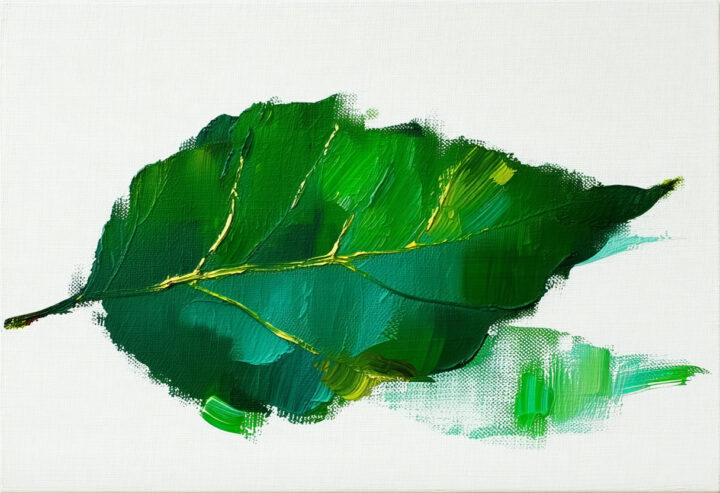
Ohba is a Japanese aromatic herb with a refreshing scent and slight spiciness. It excels in many roles—garnish […]
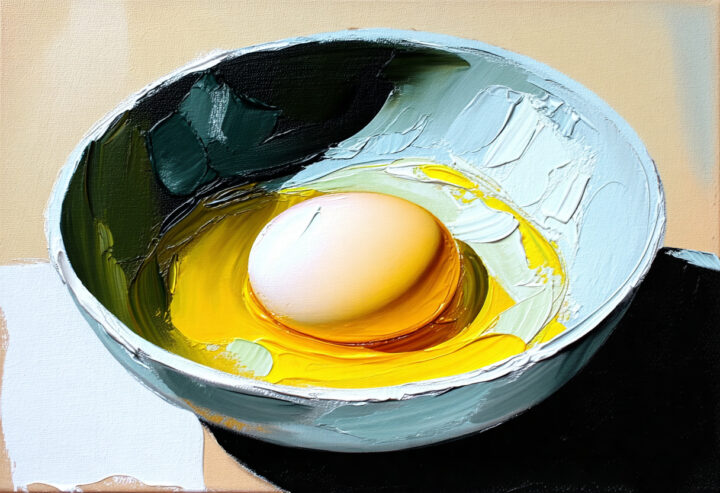
Originally named after eggs cooked in hot springs, this dish is now made by gently heating eggs at a low tempe […]
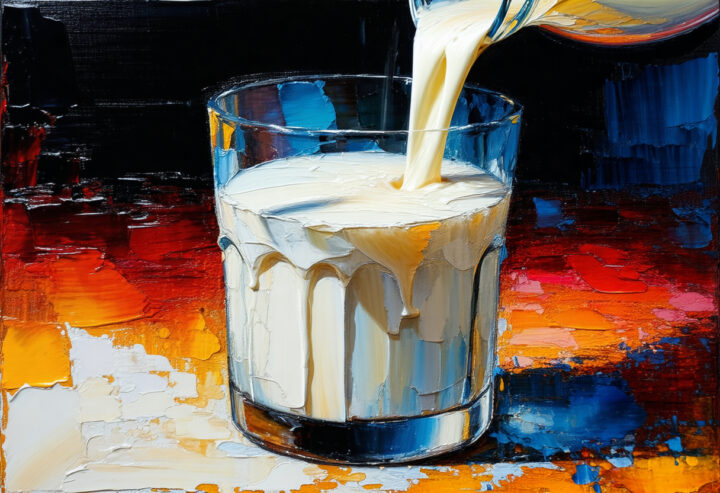
Japanese milk is known for its relatively low fat content, offering a clean and refreshing taste. It pairs wel […]
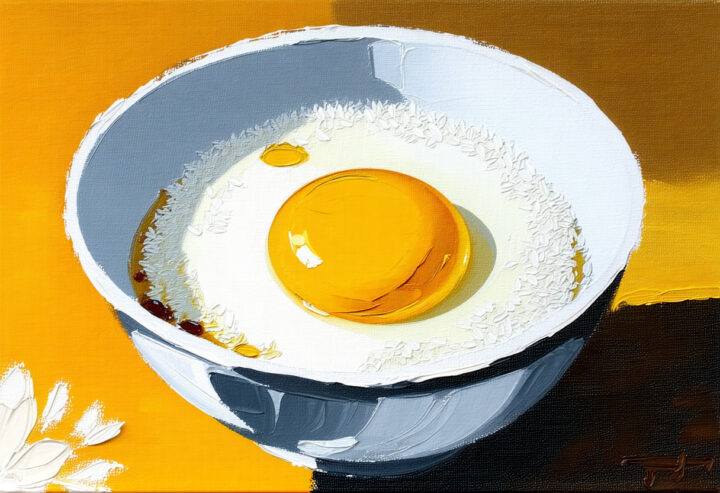
A simple yet rich dish of freshly cooked rice mixed with raw egg and soy sauce. Loved as a quick breakfast or […]
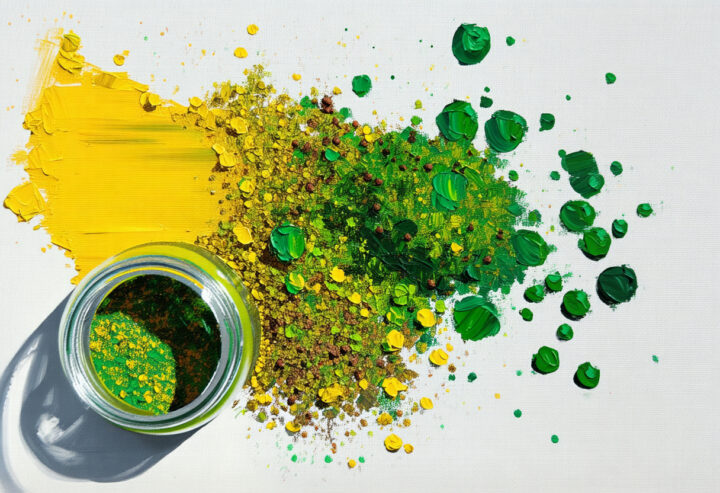
An aromatic spicy paste from Kyushu, made from yuzu zest, green chili peppers, and salt. Despite its name, it […]
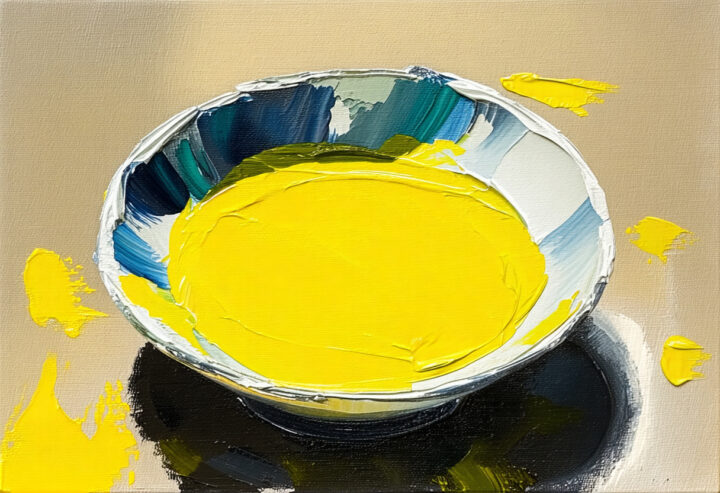
A sharp Japanese mustard made from ground mustard seeds mixed only with water. Unlike Western mustard, it has […]